Designing with Aloha Pineapple: A Comprehensive Guide to Vector Files and Their Applications
Aloha Pineapple is more than just a design element—it's a versatile symbol that can be used in a variety of creative projects. Whether you're a hobbyist, a professional designer, or someone looking to explore digital crafting, understanding the file formats and tools that come with Aloha Pineapple can significantly enhance your workflow. This article delves into the technical aspects of working with Aloha Pineapple, focusing on the zipped folder contents that include one SVG, one DXF, one EPS, and one PNG file. These files are compatible with popular design software such as Silhouette Basic Designer and Cricut Design Space, making them accessible for both beginners and experienced users.
Understanding the File Formats
The Aloha Pineapple zipped folder includes four distinct file types, each serving a unique purpose in the world of vector graphics and digital design. Understanding these formats is essential for maximizing their utility in various applications.
- SVG (Scalable Vector Graphics): This format is ideal for web-based use and responsive design. SVG files maintain clarity at any scale, making them perfect for logos, icons, and illustrations that need to be displayed across different screen sizes.
- DXF (Drawing Exchange Format): Originally developed for CAD (Computer-Aided Design), DXF files are widely used in engineering and architectural fields. They support precise geometric data, making them suitable for detailed technical drawings and 3D modeling.
- EPS (Encapsulated PostScript): EPS files are commonly used in print media due to their high resolution and compatibility with various printing systems. They are particularly useful for creating scalable artwork that maintains quality when printed.
- PNG (Portable Network Graphics): As a raster image format, PNG supports transparency and offers lossless compression. It is well-suited for web graphics and digital images where clarity and color fidelity are important.
Each of these file types has its own strengths and use cases, and having access to all four allows for greater flexibility in how Aloha Pineapple can be integrated into different projects.
Practical Applications of Aloha Pineapple Files
The versatility of Aloha Pineapple makes it a valuable asset in a wide range of creative industries. From personalized gifts to commercial branding, the ability to manipulate and customize the design opens up numerous possibilities.
Crafting and DIY Projects
For crafters and DIY enthusiasts, Aloha Pineapple can be a central element in custom home decor, greeting cards, and party supplies. Using the provided files, individuals can easily create personalized items such as wall art, scrapbook pages, and gift tags. The SVG and PNG formats are especially useful for printing on fabric, wood, and other materials, while the DXF and EPS files can be used for laser cutting and engraving.
Commercial Use and Branding
Businesses looking to incorporate Aloha Pineapple into their branding can benefit from the scalability and adaptability of the included file formats. The EPS and SVG files are particularly advantageous for logo design, as they can be scaled without losing quality. Additionally, the PNG format allows for easy integration into digital marketing campaigns, including social media graphics and website banners.
Education and Research
For educators and researchers, Aloha Pineapple can serve as a visual aid in teaching design principles, graphic design fundamentals, and digital media creation. The inclusion of multiple file formats provides an opportunity to explore the differences between vector and raster graphics, as well as the practical applications of each in real-world scenarios.
Working with Design Software
The compatibility of Aloha Pineapple files with industry-standard design tools ensures that users can seamlessly integrate the design into their existing workflows. Whether you're using Silhouette Basic Designer or Cricut Design Space, the process of importing and customizing the files is straightforward.
When working with Silhouette Basic Designer, the SVG and DXF files can be imported directly into the software, allowing for easy editing and customization. Users can adjust the size, color, and placement of the Aloha Pineapple design before exporting it for use in physical projects. Similarly, Cricut Design Space supports the import of SVG and PNG files, making it simple to create custom stickers, decals, and other printable items.
For those who prefer a more technical approach, the EPS format can be used in Adobe Illustrator or other vector graphic editors to further refine the design. This level of control is particularly beneficial for professionals who require precise adjustments and high-quality output.
Considerations for Customization and Personalization
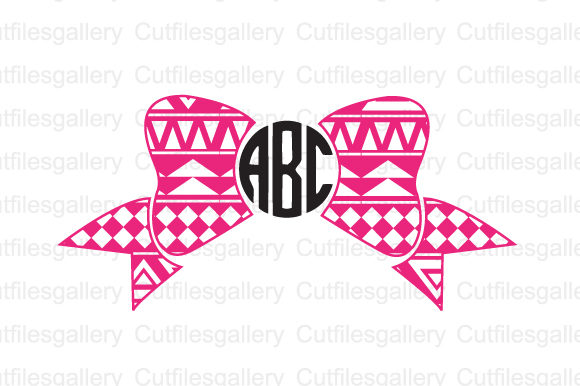
While the Aloha Pineapple design itself is a standalone element, the files may include previews with monogram letters or other personalization options. It is important to note that these elements are for demonstration purposes only. Unless explicitly listed in the file description, the actual content delivered will consist solely of the frame, ensuring that users receive a clean and customizable base for their projects.
This approach allows for greater flexibility in personalization, as users can choose to add their own text, colors, or additional design elements based on their specific needs. Whether you're creating a custom piece for a client or designing a personal project, the ability to modify the file without unwanted elements is a significant advantage.
Best Practices for Using Aloha Pineapple Files
To make the most of the Aloha Pineapple files, it's important to follow best practices that ensure optimal results across different platforms and applications.
- Check File Compatibility: Before importing the files into your design software, verify that the format is supported by the application you're using. This helps avoid potential issues with file conversion or rendering.
- Backup Your Files: Always keep a backup of the original files to prevent data loss, especially if you plan to make extensive modifications or share the design with others.
- Test Print Quality: When using the EPS or PNG files for print, test the output on a small scale to ensure that the design appears as intended. Adjust settings such as resolution and color profiles if necessary.
- Explore Customization Options: Take advantage of the editable nature of the files to experiment with different styles, colors, and layouts. This can lead to unique and personalized creations that reflect your creative vision.
By following these best practices, users can confidently work with Aloha Pineapple files and achieve professional-grade results in their design projects.