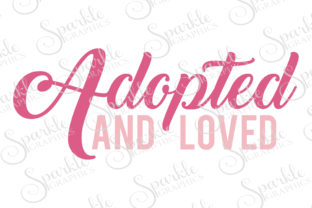
Adopted Loved Cut Files: A Comprehensive Guide to File Formats and Uses
When it comes to crafting personalized items, the right file format can make all the difference. Whether you're creating custom gifts, home decor, or promotional materials, understanding the file types included in adopted loved cut files is essential. These files are designed for use with popular cutting machines like the Silhouette Basic Designer and Cricut Design Space, making them a versatile choice for both beginners and experienced crafters.
The Zipped Folder: What You’ll Receive
Each adopted loved cut file comes in a zipped folder containing four key file formats: one SVG, one DXF, one EPS, and one PNG. These files are carefully crafted to ensure compatibility across multiple platforms and software applications. Before diving into the specifics of each file type, it's important to understand how they work together within the zipped folder.
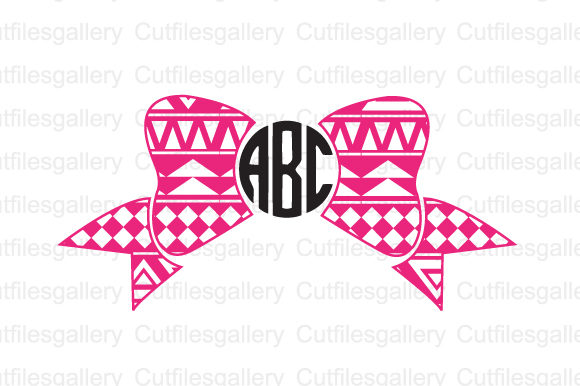
The zipped folder serves as a convenient package that includes everything you need to get started. It’s not uncommon for users to receive a preview image that includes monogram letters or other personalization elements. However, these are just examples and do not come with the actual text. Unless specified otherwise, you will only receive the frame or design element itself.
SVG: The Standard for Vector Graphics
SVG, or Scalable Vector Graphics, is a widely used format for vector-based designs. It allows for high-quality images that can be scaled without losing resolution, making it ideal for printing and digital use. When working with adopted loved cut files, the SVG file ensures that your design remains crisp and clear regardless of the size at which it's used.
One of the main advantages of SVG files is their compatibility with most modern design software and cutting machines. This makes them a go-to choice for those who want flexibility in their workflow. Additionally, SVG files are often smaller in size compared to other formats, which means faster download times and less storage space required.
DXF: Precision for Industrial Applications
DXF, or Drawing Exchange Format, is commonly used in engineering and manufacturing industries. While it may seem more technical, it plays an important role in ensuring precision when working with adopted loved cut files. This format is particularly useful if you're planning to use your design in industrial settings or for large-scale production.
DXF files are especially beneficial for users who require exact measurements and specifications. They support complex geometries and layers, allowing for detailed customization. If you're looking to integrate your design into a larger project or collaborate with professionals, the DXF file provides the necessary accuracy and detail.
EPS: Reliable for Print and Digital Use
EPS, or Encapsulated PostScript, is another vector-based format that is well-suited for both print and digital applications. It is known for its reliability and ability to maintain quality across different platforms. When using adopted loved cut files, the EPS file ensures that your design remains consistent and professional-looking in any context.
EPS files are often preferred by designers who need to maintain compatibility with older software or systems. They also support transparency and layered elements, which can be useful for intricate designs. Whether you're preparing for a print run or a digital campaign, the EPS file offers a dependable solution.
PNG: Versatile for Web and Print
PNG, or Portable Network Graphics, is a raster image format that is widely used online due to its support for transparency and high-quality compression. When working with adopted loved cut files, the PNG file provides a practical option for web-based projects or when you need a quick preview before finalizing your design.
Unlike vector formats, PNG files are resolution-dependent, which means they may lose quality when scaled up. However, this doesn't detract from their usefulness in many scenarios. The PNG file is perfect for sharing previews, embedding in websites, or using as a reference point during the design process.
Choosing the Right File for Your Project
Each file format has its own strengths and limitations, so it's important to choose the one that best fits your project's needs. For example, if you're creating a custom gift for a loved one, the SVG or EPS file would be ideal for maintaining quality and scalability. On the other hand, if you're preparing a digital mockup or preview, the PNG file might be more suitable.
It's also worth considering the compatibility of each file format with your chosen cutting machine. While most modern machines support SVG and EPS, some may have specific requirements for DXF or PNG files. Always check the manufacturer's guidelines to ensure seamless integration.
Real-World Applications of Adopted Loved Cut Files
From wedding invitations to personalized jewelry, adopted loved cut files can be applied in a variety of creative contexts. For instance, a couple planning a custom wedding might use these files to create engraved name tags, table numbers, or decorative accents. Similarly, a small business owner could use them to produce branded signage or promotional materials.
These files are also popular among DIY enthusiasts and hobbyists who enjoy crafting personalized items. Whether you're making a birthday card or a holiday ornament, having access to multiple file formats ensures that you can adapt your design to suit your needs.
Best Practices for Using Adopted Loved Cut Files
To get the most out of your adopted loved cut files, it's important to follow a few best practices. First, always open the zipped folder and review the contents before beginning your project. This helps avoid confusion and ensures you have the correct files for your intended use.
Second, test your design on a scrap piece of material before committing to a full project. This allows you to identify any potential issues with the file or the cutting process. Finally, keep your software and cutting machine updated to ensure optimal performance and compatibility.
By understanding the different file formats and their uses, you can confidently incorporate adopted loved cut files into your creative workflow. Whether you're a seasoned designer or just starting out, these files offer a reliable and flexible solution for a wide range of projects.