Food Products Catalog Tri-Fold Brochure: A Versatile Tool for Branding and Marketing
The Food Products Catalog Tri-Fold Brochure is a staple in the world of marketing and branding, especially for businesses that rely on print media to engage with their audience. This compact yet informative format offers an efficient way to present product information, company details, and promotional content in a visually appealing manner. Whether you're a small business owner looking to expand your reach or a large corporation aiming to streamline your distribution strategy, the tri-fold brochure remains a powerful tool.
Understanding the Structure and Design of a Tri-Fold Brochure
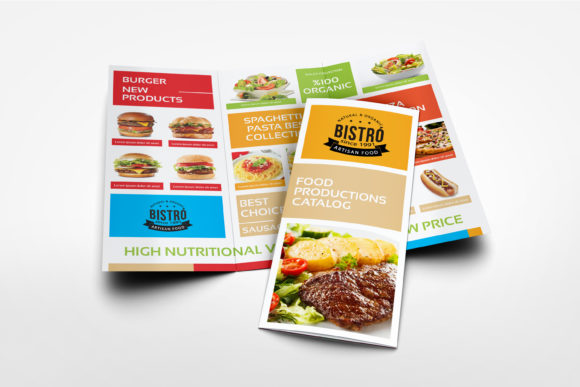
A tri-fold brochure is designed to fold into three equal sections, making it easy to handle and display. This format allows for a balanced layout that can accommodate both text and images effectively. The structure typically includes a front cover, a middle section, and a back cover, each serving a distinct purpose in the overall message delivery.
One of the key advantages of this design is its adaptability. It can be customized to fit various industries, including food products, where visual appeal plays a crucial role in attracting attention. The use of high-quality paper stock, combined with professional printing techniques, ensures that the final product not only looks great but also feels premium to the touch.
Design Elements That Enhance Visual Appeal
When creating a Food Products Catalog Tri-Fold Brochure, several design elements contribute to its effectiveness. These include:
- Color Scheme: Choosing a cohesive color palette that aligns with your brand identity is essential. Colors like red, green, and yellow are often associated with food, making them popular choices for this type of brochure.
- Typography: Using readable and aesthetically pleasing fonts enhances the overall experience. Since the requirement specifies the use of free fonts, it's important to select options that are both professional and accessible.
- Layout: A well-organized layout ensures that information flows logically from one section to the next. This helps readers navigate through the content effortlessly.
- Images: While images are not included in this particular case, they play a significant role in capturing attention and conveying messages quickly. High-resolution images should be used to maintain quality.
Creating a Print-Ready Format with InDesign Files
For those who prefer a more hands-on approach to design, using InDesign files provides a robust solution for creating a Food Products Catalog Tri-Fold Brochure. These files are fully layered, allowing for easy customization and editing. This means that even if you're new to design software, you can still create a professional-looking brochure without any prior experience.
The InDesign files come in two standard sizes: US Letter and A4. Both formats are widely used, ensuring compatibility with most printers and binding services. Additionally, the files are set up with bleed settings, which is crucial for achieving clean edges when printed. Bleed ensures that any background colors or images extend beyond the trim area, preventing white borders from appearing on the finished product.
The resolution of the files is set at 300 DPI, which is the industry standard for print materials. This ensures that the final output is sharp and clear, even when viewed up close. The use of CMYK colors further enhances the print quality by providing accurate color reproduction, which is particularly important for branding purposes.
Customization and Flexibility in Design
One of the greatest strengths of the Food Products Catalog Tri-Fold Brochure is its flexibility. The fully layered InDesign files allow for easy customization, enabling users to modify text, images, and layouts according to their specific needs. This makes it an ideal choice for businesses that may need to update their brochures frequently or tailor them for different audiences.
Whether you're promoting a new line of organic snacks or showcasing seasonal produce, the ability to customize the brochure ensures that your message remains relevant and engaging. For instance, you could highlight specific products in the middle section while keeping the front and back covers focused on your brand identity and contact information.
Considerations for Effective Use of the Brochure
While the Food Products Catalog Tri-Fold Brochure offers numerous benefits, there are several considerations to keep in mind when designing and distributing it:
- Target Audience: Understanding your target audience is essential for tailoring the content and design of the brochure. What appeals to one group may not resonate with another, so it's important to conduct market research to identify the preferences of your intended readers.
- Content Clarity: The information presented in the brochure should be concise and easy to understand. Avoid cluttering the pages with excessive text, as this can overwhelm the reader and reduce engagement.
- Call to Action: Including a clear call to action encourages readers to take the next step, whether it's visiting your website, contacting your sales team, or making a purchase. This is especially important in the context of food products, where immediate interest can lead to increased sales.
- Distribution Strategy: The effectiveness of the brochure depends largely on how it's distributed. Consider partnering with local businesses, retailers, or event organizers to maximize exposure. Digital distribution through email campaigns or online platforms can also be an effective complement to traditional methods.
Free Fonts and Font.txt File for Easy Customization
As part of the design process, the use of free fonts is encouraged to ensure accessibility and cost-effectiveness. These fonts are available in a file called Font.txt, which contains download links to various free font resources. This file simplifies the process of selecting and integrating fonts into your design, eliminating the need for expensive licensing fees.
Choosing the right font can significantly impact the readability and professionalism of your brochure. For example, sans-serif fonts like Arial or Helvetica are excellent for headings and body text due to their clean and modern appearance. Serif fonts such as Times New Roman can add a touch of elegance, making them suitable for more formal or traditional designs.
Conclusion
The Food Products Catalog Tri-Fold Brochure is more than just a marketing tool; it's a strategic asset that can help businesses connect with their audience in meaningful ways. By leveraging the power of design, customization, and effective content presentation, this format continues to remain relevant in an increasingly digital world. Whether you're a small business owner or a large corporation, investing in a well-designed tri-fold brochure can yield significant returns in terms of brand awareness and customer engagement.